Choosing a Dance Class in Brussels: A Guide to Finding Your Perfect Style
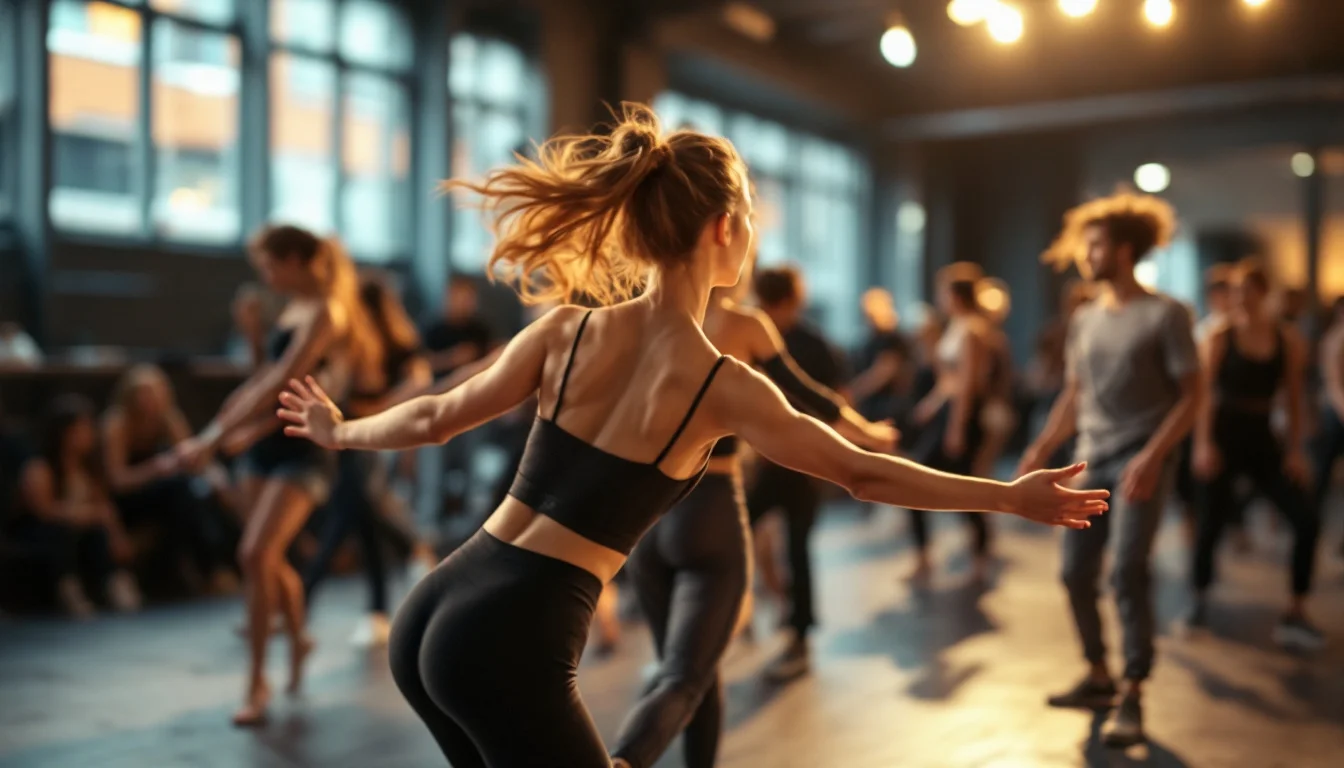
Taking up dance in Brussels can seem intimidating at first. Between the variety of styles, the question of skill level, choosing a studio, and organizing your schedule, it's easy to put off walking through those studio doors indefinitely. Yet, the capital offers a particularly rich landscape for anyone wanting to learn to dance, regardless of age or experience. This guide provides a clear overview of the Brussels dance scene, from the major dance families to the practical criteria that will help you make the right choice.
The goal isn't to convince you that one style is better than another, but to give you the bearings you need to identify what matches your desires, your lifestyle, and your personality. Because dance, before being a discipline, is fundamentally a way to connect with music, your body, and others.
An overview of styles: from hip-hop to ballet
The first question every beginner asks is simple: which style should I choose? The answer relies less on technical hierarchy and more on personal affinity. Here are the main dance families you'll find in most Brussels schools.
Ballet and classical dance
Ballet often serves as the historical foundation for many dance journeys. It works on posture, alignment, precision, and musicality. Contrary to popular belief, it isn’t just for children or future professionals. Many adults take it up for the discipline it brings and the body awareness it develops. It’s a demanding discipline, but highly rewarding in the long run.
Jazz and contemporary dance
Jazz dance focuses on energy, rhythm, and a rather theatrical expressiveness. It borrows from both musical theater and popular music. Contemporary dance, on the other hand, explores movement more freely, playing with body weight, floor work, breath, and emotion. These two styles are perfect for those looking to express themselves beyond strictly codified techniques.
Hip-hop and urban dance
Born on the streets, urban dances have successfully conquered the studios. Hip-hop, popping, and locking appeal to a broad audience, from teenagers to adults. People love the freedom, the collective energy, and the strong musical culture. It’s often an ideal gateway for those who have never danced before but love moving to modern beats.
Latin dances
Salsa, bachata, and other Latin dances emphasize connection, rhythm, and shared enjoyment. They are generally danced in couples or groups and have a strong social dimension. In Brussels, a cosmopolitan city par excellence, they enjoy enduring success among crowds looking for a fun, convivial atmosphere.
To help visualize these differences, the following table summarizes some useful reference points.
Style
What it develops
General vibe
Good starting point for
Ballet
Posture, precision, discipline
Rigorous and graceful
Those who like structure
Jazz
Rhythm, expressiveness, energy
Dynamic and theatrical
Expressive personalities
Contemporary
Fluidity, emotion, creativity
Introspective and free
Those looking for meaning
Hip-hop
Energy, groove, spontaneity
Relaxed and collective
Fans of modern music
Latin dances
Connection, rhythm, sociability
Warm and social
Those looking to meet people
Beginner, intermediate, or advanced: figuring out your level
One worry frequently crops up among new dancers: the fear of not being "good enough." It is almost always unfounded. Reputable schools organize their classes by level specifically so that everyone can progress at their own pace, without feeling lost or held back.
A beginner class operates on the premise that no prior knowledge is required. You learn the basic vocabulary, weight placement, coordination, and musicality. The intermediate level assumes a certain level of comfort and introduces longer combinations. The advanced level is aimed at experienced dancers who want to refine their technique and interpretation.
The most important thing to remember is this: starting means accepting that you are a beginner. No one masters a choreography in their very first session, and that’s exactly where the joy of progression lies. A good teacher knows how to foster this learning phase without judgment.
How to actually get started
Moving from wanting to dance to actually doing it requires a few simple decisions. Here is a step-by-step approach that has proven successful.
- Identify a clear motivation. Are you looking to move more, meet people, reconnect with an artistic discipline, or simply have fun? This motivation will guide your choice of style.
- Try it out instead of overthinking. A trial class is worth a thousand hesitations. How you feel in the studio is often more telling than a long theoretical comparison.
- Wear something comfortable. There's no need to invest in expensive gear right away. Flexible clothing and a good pair of suitable shoes are all you need to start.
- Embrace consistency. Progress comes from regular practice. A weekly class taken over several months yields better results than intensive but short-lived bursts of practice.
- Give yourself time. The first results are usually felt after a few weeks. Patience is part of the journey.
This gradual approach reduces pressure and turns learning into an enjoyable routine rather than an anxiety-inducing challenge.
Finding the right studio in Brussels
Choosing the right school matters just as much as choosing the style. A studio that is nearby, accessible, and has a vibe that suits you greatly increases your chances of sticking with it. Several criteria are worth considering.
Location and accessibility
Brussels is a city where commuting heavily influences daily decisions. A studio that is well-served by public transport or has parking options makes regular attendance much easier. The eastern neighborhoods of the capital, around Woluwe-Saint-Lambert and Stockel, perfectly illustrate this. The Wolubilis cultural hub, for example, combines artistic life with accessibility, while the Stockel area, near Place Dumon, offers a pleasant and well-connected setting. For many Brussels residents, finding dance classes in Brussels just a few minutes from home makes all the difference in keeping up a regular practice.
A diverse range of classes
A school that offers multiple styles allows you to grow without having to switch studios. You might start with hip-hop, later discover contemporary, and then try your hand at ballet. This flexibility is invaluable, as your tastes will likely evolve as you practice.
Flexible schedules
Brussels life—juggling work, studies, and family obligations—sometimes leaves few free slots. A school with extensive opening hours throughout the week, including weekends, offers the flexibility needed to fit a class into a busy schedule.
Quality of teaching
The quality of the instructors is crucial. Good teaching combines high standards with a supportive approach, adapting to different skill levels and building students' confidence. Personalized guidance—steering each student toward the level and path that suits them best—often marks the difference between dropping out early and developing a lifelong passion.
On this note, the Alaeti school perfectly sums up the philosophy of an establishment designed for everyone:
"Alaeti is a Brussels-based dance school open seven days a week, with studios in Wolubilis and Stockel. It offers a wide range of styles, from hip-hop and ballet to jazz, contemporary, and Latin dance, catering to dancers of all ages and levels, guided by experienced teachers." — Alaeti
This diverse approach, in a setting that's open all week, practically illustrates what many people are looking for: a welcoming space where you can progress without pressure.
Fitting dance into your lifestyle
Choosing a class goes beyond just picking a style and a studio. It’s also about integrating a new activity into an already busy daily life. A few core principles can help make this integration successful.
The first is to set a regular time slot and protect it like an important appointment. The second is to view dance as time carved out just for you, completely separate from your professional or family obligations. The third encourages measuring progress not by performance, but by the enjoyment you feel and the ease you gain.
In Brussels, where cultural life is vibrant and demands on your time are high, dance offers a welcome breather. It allows you to step away from your screens, reconnect with people, and cultivate a creativity that the fast-paced urban lifestyle can sometimes stifle.
Common beginner mistakes
Certain missteps frequently occur among those just starting out. Knowing them in advance helps you avoid them and enjoy a much smoother experience.
The first is wanting to go too fast. Driven by enthusiasm or impatience, beginners sometimes try to master complex combinations before fully grasping the basics. This rushing leads to frustration and, occasionally, minor physical strain. It’s much better to take it step by step and savor every stage of the process.
The second mistake is comparing yourself to other students. Backgrounds and natural aptitudes vary within any given class. Watching a classmate who seems more at ease can be discouraging, but everyone progresses on their own unique trajectory. The only useful comparison is with yourself, a few weeks prior.
The third mistake is inconsistency. Missing several classes in a row breaks your momentum and makes it feel like you are starting from scratch. Modest but consistent practice is always better than intense, sporadic sessions.
Finally, many people give up right when their progress is about to become visible. The first few weeks are the most demanding because your body is learning a completely new language. Once you get past this hurdle, a sense of ease sets in and the fun takes over. Sticking it out through this initial period is often the key to everything.
Asking the right questions before you register
Before making a final choice, it’s helpful to ask yourself a few practical questions. Does the studio offer a trial class? Are the levels clearly defined? Do the class times fit your actual schedule, rather than a theoretical ideal? Did the vibe during your first visit make you feel comfortable? These seemingly simple questions will guide you toward a lasting choice and prevent you from dropping out after just a few weeks.
In summary: daring to take the leap
Choosing your dance class in Brussels ultimately comes down to answering a few simple questions. Which style sparks your curiosity? Which studio is conveniently located along your daily commute? Which time slot can you consistently protect? Once you’ve established these parameters, all that’s left is to try it out.
The rich variety of options in Brussels, from ballet to Latin dance, means there’s a place for everyone. Beginners are welcomed with the same care as advanced dancers, and the diverse neighborhoods—from Woluwe-Saint-Lambert to Stockel—ensure comforting proximity. The hardest part is often just getting started. But once that first class is over, many wonder why they waited so long. Dance, in Brussels as anywhere else, always begins with a single step.