The Art and Design Trends Taking 2024 by Storm
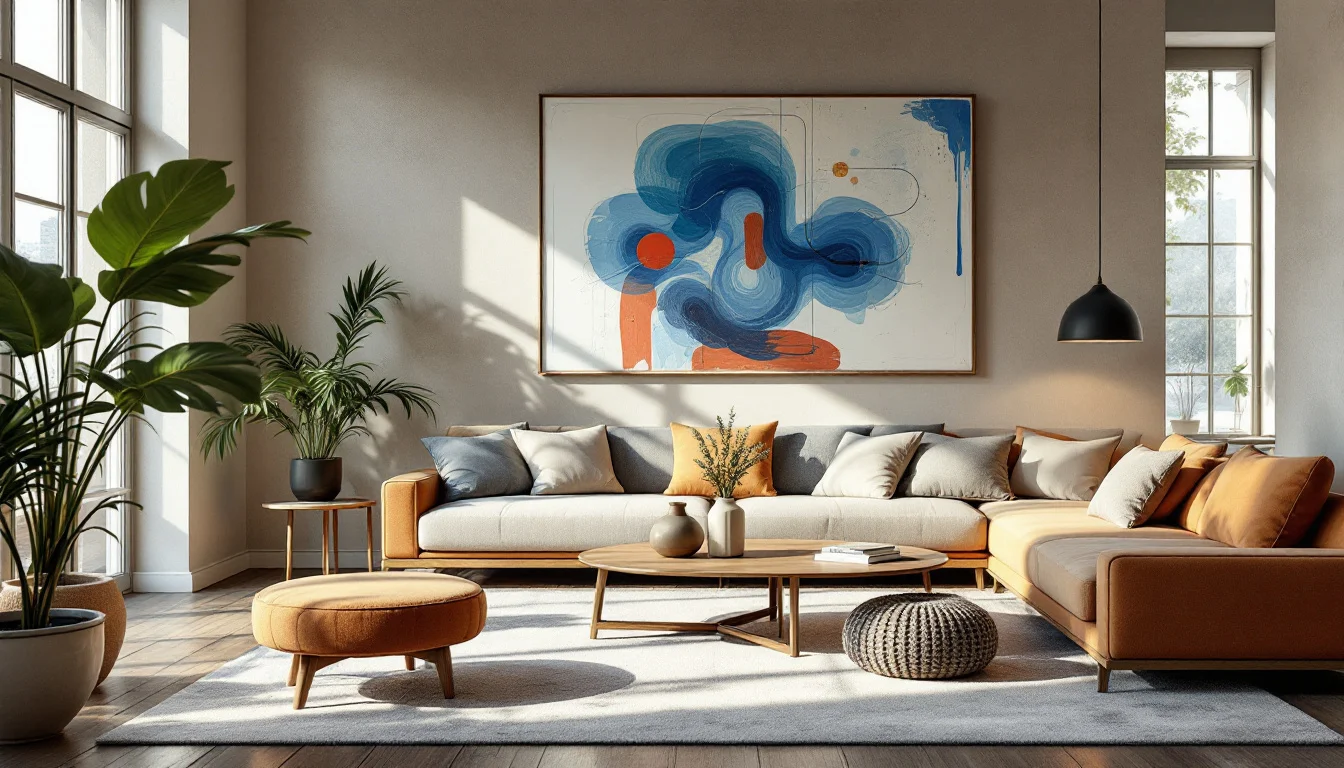
In 2024, the creative world is undergoing a fundamental shift. Art is no longer content to merely hang on gallery walls, and furniture refuses to be reduced to pure utility. This convergence is giving rise to a major phenomenon: "collectible design." Aesthetes and buyers are completely rethinking how they acquire and live with objects.
Faced with an uncertain economic climate, investments are evolving. Buyers are gradually turning away from the volatility of intangible canvases or purely speculative concepts in favor of tangible pieces. Interior design, elevated by cutting-edge craftsmanship and premium materials, is achieving the status of standalone artwork. This evolution is redrawing the line between beauty and utility, setting new aesthetic standards where an object's history takes precedence over passing fads.
What are the key takeaways?
To understand the dynamics driving creative markets this year, here are the essential points to keep in mind:
- The ultra-contemporary art market assigned disproportionate valuations to emerging artists, but reason should prevail over speculation in 2024.
- The digitization of the art market continues to accelerate, a trend that has facilitated remote transactions since the global health crisis.
- The boom in "collectible design" is placing a premium on exclusivity and uniqueness, featuring minimalist lines and meticulous finishes.
- Everyday objects, such as high-end light switches, are becoming statement pieces in interior aesthetics.
How is the art market evolving in 2024 in the face of speculation?
The contemporary art landscape is going through a period of rationalization. After years of exuberance, buyers are adopting a more analytical and cautious approach.
Why are we seeing a pullback in ultra-contemporary art?
The ultra-contemporary art market previously assigned astronomical values to emerging artists. Young creators saw the prices of their early canvases skyrocket at auction before they had even established their careers. However, reason is set to triumph over speculation in 2024. Buyers are now looking to secure their assets by avoiding overly risky bets on talents whose institutional longevity remains unproven. This return to prudence marks the end of easy money in avant-garde galleries.
How has digitization become structural?
While purchasing behavior is becoming more financially conservative, its format remains decidedly modern. The digitization of the art market continues to gain momentum in 2024, a trend solidified since the pandemic. Online sales platforms, virtual gallery tours (Viewing Rooms), and interactive digital catalogs have become the norm. This digital ubiquity allows market players to maintain high transaction volumes while offering buyers greater transparency regarding an artwork's history and provenance.
How does "collectible design" transform objects into artworks?
The cooling of speculation in the fine arts is echoing directly in interior design. The return to reason observed in ultra-contemporary art is shifting investment budgets toward material hyper-quality. Collectors are reallocating funds once earmarked for risky canvases into tangible furniture pieces. The boom in "collectible design" is thus carving out more space for exclusivity and uniqueness, characterized by minimalist lines and meticulous finishes.
What trends are emerging at interior design trade shows?
This quest for exceptional objects is finding fertile ground in Northern Europe. The Design Nation trade show in Kortrijk (October 17-18, 2024) brought together the most prominent Belgian brands, pinpointing the latest trends in home living.
How do the different creative investment segments compare?
The positioning of these various object categories can be evaluated across three fundamental criteria for contemporary buyers.
| Segment | Speculative Risk | Everyday Utility | Material Focus |
|---|---|---|---|
| Ultra-Contemporary Art | Very high | None (purely contemplative) | Secondary (concept-driven) |
| Collectible Design | Low to moderate | High (integrated into the home) | Primary (finishes, exclusivity) |
| Eco-Responsible Art | Moderate | Variable | Central (recycling, sustainability) |
This table illustrates why functional design is capturing attention: it offers everyday enjoyment while minimizing the volatility inherent in emerging art markets.
How does Artificial Intelligence influence the need for material authenticity?
The integration of artificial intelligence is altering creators' conceptual approaches, generating a fascinating tension between the algorithmic and physical worlds.
How is data optimizing creation?
AI is allowing designers to push the boundaries of their imagination. Thanks to sophisticated algorithms, it is now possible to generate structures that the human brain could never conceive. In interior architecture, software analyzes thousands of models to propose layouts optimized for energy efficiency and spatial management. Furthermore, these tools are facilitating mass customization: analyzing individual preferences makes it possible to instantly adapt a piece of furniture's ergonomics to a buyer's specific needs.
What is the paradox of the intangible in design?
However, this technological ubiquity is paradoxically reinforcing a visceral need for material authenticity. The more the design process becomes virtual and automated, the more the end-user demands to touch real textures, appreciate the weight of an alloy, or feel the grain of wood. Collectible design answers this exact expectation.
What are the ethical challenges of automation?
Automation raises significant questions about intellectual property. When artificial intelligence generates the silhouette of a light fixture, do the copyrights belong to the software developer, the user who submitted the prompt, or does the creation fall into the public domain? This legal ambiguity is pushing many collectors to place even greater value on the human touch and traditional craftsmanship, which are perceived as undeniable guarantees of authenticity.
How is eco-responsibility redefining aesthetic standards?
Environmental awareness is no longer an activist niche; it now forms the foundation of new aesthetic demands.
How is sustainability integrating into the visual arts?
Ecological art is making its mark by fundamentally altering creative processes. The artwork no longer merely denounces pollution; it actively strives not to contribute to it.
Why do sustainable resources embody the new luxury?
In the furniture sector, this philosophy translates to the abandonment of planned obsolescence and plastic resins. Eco-responsibility is shedding its "upcycled DIY" image to enter the realm of fine craftsmanship, where the nobility of the materials justifies the initial investment.
What aesthetics are clashing between vibrant colors and minimalist vintage?
The visual landscape of 2024 is built on a fascinating duality between pictorial exuberance and furniture sobriety.
Why are we seeing a chromatic explosion in galleries?
Modern art is experiencing a renaissance of bold colors, breaking with the austere palettes of the previous decade. Artists are incorporating vibrant reds, electric blues, and luminous yellows to evoke direct emotional responses in the face of an often gloomy news cycle. These saturated canvases act as intense focal points in exhibition spaces and private living rooms.
How does retro design provide a reassuring rigor?
To balance this wall-mounted intensity, interior design is taking a diametrically opposed approach. Bright walls frame sleek-lined furniture that draws inspiration from the past. The vintage aesthetic remains highly relevant: home fixtures, like the 1950s-inspired Niko Rocker light switch, are being reinterpreted to suit the current zeitgeist.
This duality is much more than a mere aesthetic trend; it reveals a need for harmony where the vibrancy of contemporary art is tempered by the discretion and comforting familiarity of mid-century design.
What are the 4 golden rules for investing in 2024?
Whether you are looking to acquire an eco-responsible photograph or a limited edition of Belgian furniture, the purchasing process requires method. For collectors in 2024: tune out the economic noise, turn to established artists, stay informed on current events, and buy what you love.
Here is how to practically apply these principles to today's markets:
- Ignore macroeconomic noise: Geopolitical crises can paralyze stock markets, but high-quality art and design retain their intrinsic safe-haven value. It is wise to tune out short-term panic.
- Favor established names: With speculation on ultra-contemporary works coming to an end, secure your acquisitions by targeting creators, designers, or studios whose institutional reputation is already solidified.
- Actively monitor trade shows: Value is discovered on the ground. Staying informed means visiting trendsetting events like the Design Nation trade show in Kortrijk, which centralizes technical and aesthetic innovations before they reach the general public.
- Prioritize personal affinity: Collectible design is part of your daily life. A purchase should be driven by the pleasure of use and aesthetic emotion above any consideration of financial gain.
Frequently Asked Questions (FAQ): How to understand the art and design markets in 2024?
What are the current risks associated with ultra-contemporary art?
The primary risk lies in a sudden drop in the market value of young artists whose prices were artificially inflated by a passing trend, before their work received long-term validation from museum institutions.
How can you verify the sustainability of a design piece?
You must analyze the nature of the materials used (favoring solid metals and solid wood), the absence of obsolescent electronic components that are impossible to replace, and the traceability of the European production chain.
What kind of hybrid market are we heading toward?
The year 2024 confirms the disappearing boundary between fine arts and applied arts. While the quest for premium materiality and vintage appeal is taking over our interiors, the method of certifying these exceptional objects is looking decidedly toward the future.
The integration of blockchain and digital passports to certify the provenance of a steel table or a collectible light switch could soon become the industry standard. This absolute traceability of functional objects opens up an unprecedented question: at what point does a cryptographic certificate definitively transform home hardware into a transferable heritage asset?