Simulating a Mortgage to Finance a Fixer-Upper: What Belgian Buyers Often Overlook
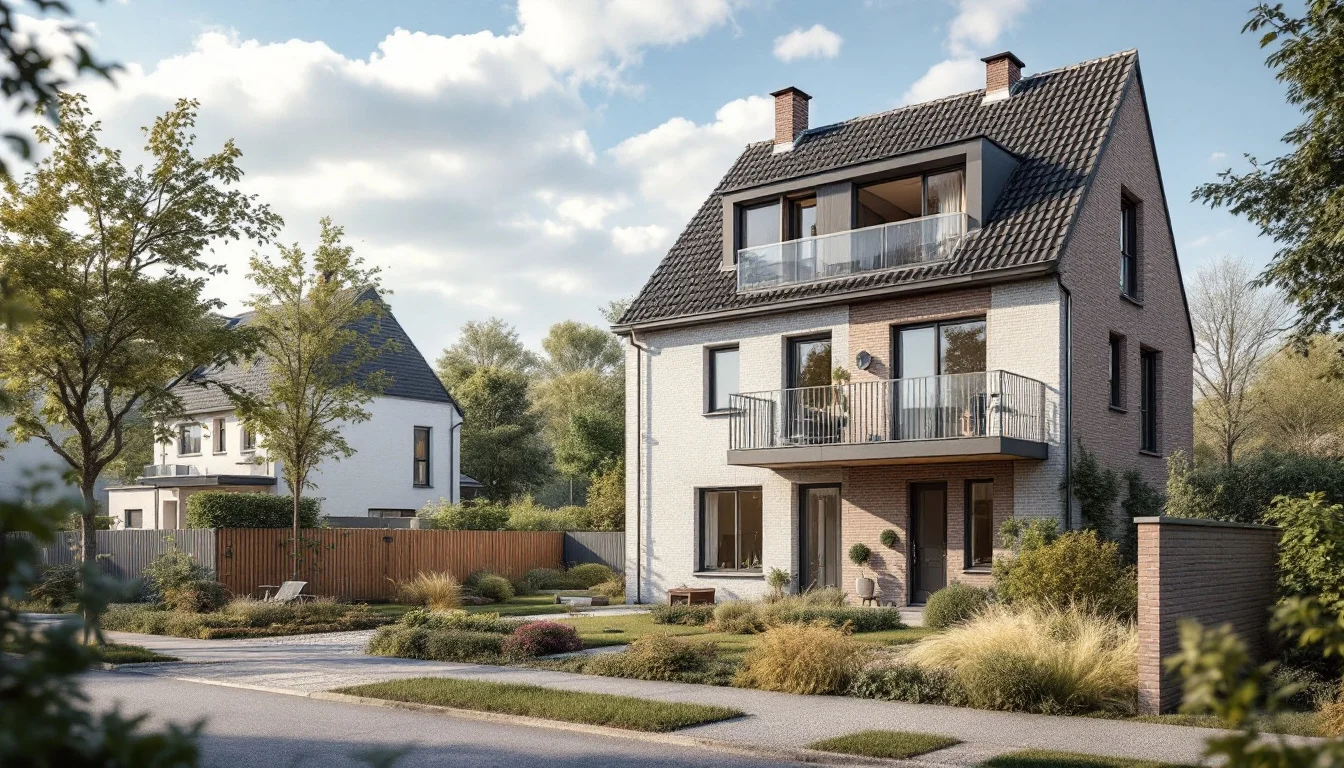
Purchasing a fixer-upper is an increasingly popular path to homeownership in Belgium. Properties with poor energy ratings (EPC D, E, or F) trade at below-market prices, creating a prime opportunity for buyers willing to invest in renovations. However, what many people don't realize is that these renovation costs can be rolled directly into a mortgage, provided you know how to structure this during your initial loan simulation.
Why fixer-uppers offer a genuine opportunity in 2026
Belgium’s housing stock is among the oldest in Europe. A significant portion of homes on the market fall short of current energy performance standards. In Wallonia, a decree enacted in 2023 requires owners of properties with an EPC rating of F or G to carry out energy-efficiency upgrades within five years of purchase. In Flanders, similar requirements are gradually being phased in.
This regulatory reality has a direct impact on the market: energy-inefficient properties are subject to what can be a significant discount. An apartment with an E rating might sell for 10 to 15% less than an equivalent B- or C-rated property in the same neighborhood. For a buyer ready to take on a renovation project, this price gap represents substantial upfront savings—provided the building work is properly financed.
Rolling renovation costs into your mortgage: how it works
A mortgage loan can finance not only the purchase price of the property but also the renovation work, subject to certain conditions. While less widely known among first-time buyers, this option is strictly regulated and fully supported by Belgian legislation.
The borrowed capital remains subject to loan-to-value (LTV) ratio rules: the sum of the purchase price and the cost of the renovations generally cannot exceed 80 to 90% of the property’s estimated post-renovation value. This figure is determined by a bank-appointed appraiser, who assesses what the property will be worth once the work is completed.
In practical terms, if a property is purchased for €200,000 and the renovations are estimated at €60,000, the post-renovation value must be appraised at a minimum of €290,000 for the entire project to be financed at a 90% LTV ratio. The appraiser therefore plays a vital role: their valuation dictates the maximum amount that can be financed.
Simulating a mortgage that includes renovations
Running a mortgage simulation for a renovation project works differently than a standard simulation. Several additional parameters come into play.
The gradual release of funds
When a loan finances renovation work, the bank typically does not disburse the entire capital all at once. The portion earmarked for renovations is released in installments, tied to the progress of the work and contingent upon the submission of invoices or a progress report from an appraiser. This phased approach mitigates the bank's risk and requires meticulous project planning on the part of the borrower.
During the construction phase, the borrower often pays interim interest on the capital that has already been released, without yet paying down the principal. Full monthly mortgage payments only begin once the entirety of the capital has been disbursed.
The impact of energy performance on interest rates
For several years now, certain Belgian banks have been offering slightly more favorable terms for properties undergoing renovations aimed at significantly improving energy performance. These "green loans" or "eco-loans" can yield a rate reduction of 0.1 to 0.3 percentage points compared to standard terms, provided the financed renovations have a measurable impact on the property's EPC rating.
This condition must be verified: a new EPC certificate issued after the work is completed must prove the improvement. Factoring this goal into your initial simulation allows you to assess whether this option makes financial sense for your planned project.
"Calling on Créfinance means benefiting from personalized guidance and optimized loan conditions. Highly competitive rates negotiated with multiple financial partners, repayment formulas tailored to your profile, and fast, streamlined processing of your application, ensuring your project isn't delayed." — Créfinance
Common mistakes when financing a fixer-upper
Several common pitfalls can jeopardize or complicate the financing of a property undergoing renovations.
The first is underestimating the cost of the work. Estimates obtained prior to purchase are often ballpark figures. Once construction is underway, unforeseen issues (structural problems, electrical compliance updates, a completely new roof) can cause the project to significantly overshoot the initial budget. It is highly recommended to add a 15 to 20% buffer to your renovation estimates to absorb these unexpected costs without jeopardizing your overall financing plan.
The second mistake is failing to have the property's post-renovation value appraised before signing the preliminary sales agreement. This final valuation dictates the maximum loan amount. If the estimated value falls short, the mortgage will not cover the entirety of the project, leaving the borrower scrambling to find supplementary funding.
The third error is confusing a mortgage with a personal home improvement loan. While a consumer renovation loan is quicker to secure, its interest rate is noticeably higher and its maximum term is shorter. For major renovations (exceeding €20,000), rolling the costs into a mortgage is generally much more cost-effective in the long run.
The timeline of a purchase-and-renovate project financed by a mortgage
Time management is a frequently overlooked aspect of purchase-and-renovate projects. Between signing the preliminary agreement and the final handover of the completed works, the timeline can stretch anywhere from 12 to 24 months, depending on the scale of the project. During this period, the borrower often has to continue paying rent, in addition to the interim interest on the capital released for the renovations.
This dual burden—rent plus interim interest—represents a substantial financial strain that must be anticipated during the loan simulation. The duration of the renovation must be estimated realistically, factoring in contractor lead times, material deliveries, and potential administrative hurdles.
Some borrowers choose to negotiate a capital grace period with their bank during the construction phase. This option allows you to pay only the interest during the renovation, reducing your monthly financial burden until the property is ready to be lived in.
Reduced registration duties for fixer-uppers in Wallonia
An often-overlooked perk in Wallonia: under certain conditions, purchasing a property slated for energy-efficiency upgrades may qualify for reduced registration duties. This scheme, formerly known as the "chèque habitat" and currently undergoing progressive reform, aims to incentivize the renovation of Wallonia's housing stock. Because eligibility criteria change frequently, it is highly recommended to check the current rules when planning your project.
FAQ: Mortgages for properties in need of renovation
Can I finance renovation work through a mortgage if I buy an older house?
Yes, provided the post-renovation value of the property is high enough to justify the loan-to-value ratio. A bank-appointed appraiser will evaluate this future value. The better documented the work is—backed by professional, detailed estimates—the more accurate and favorable the appraisal will be.
Do I need contractor estimates before applying for a mortgage that includes renovations?
Detailed quotes from certified tradespeople or contractors are typically required by the bank to justify the renovation costs rolled into the loan. These quotes must be precise enough for the appraiser to confirm that the requested amount aligns logically with the planned work.
What happens if the renovations end up costing more than expected?
If the cost overrun is significant, you will need to request a loan amendment or secure supplementary financing. This is exactly why it is crucial to build a safety buffer into your renovation budget during the initial simulation, rather than aiming for the bare minimum.
Can I receive renovation grants on top of my mortgage?
Yes. All three Belgian regions offer grants for energy-efficiency upgrades (insulation, ventilation, heating) that can be combined with a mortgage. While these grants don't lower your borrowing capacity, they do reduce the net cost of the renovations, thereby decreasing the total amount you need to finance.
Can an uninhabitable property be financed with a mortgage?
A completely uninhabitable property can pose challenges for certain lenders, as it represents a higher risk for the mortgage guarantee. However, some banks will accept this type of application provided the renovation plan is rock-solid and the contractor estimates are credible. A specialized broker can help identify which lenders are most open to financing these types of projects.