Must-Have Smart Devices and Accessories for Modern Living
Why the Era of "Naive" Smart Homes is Over in 2024
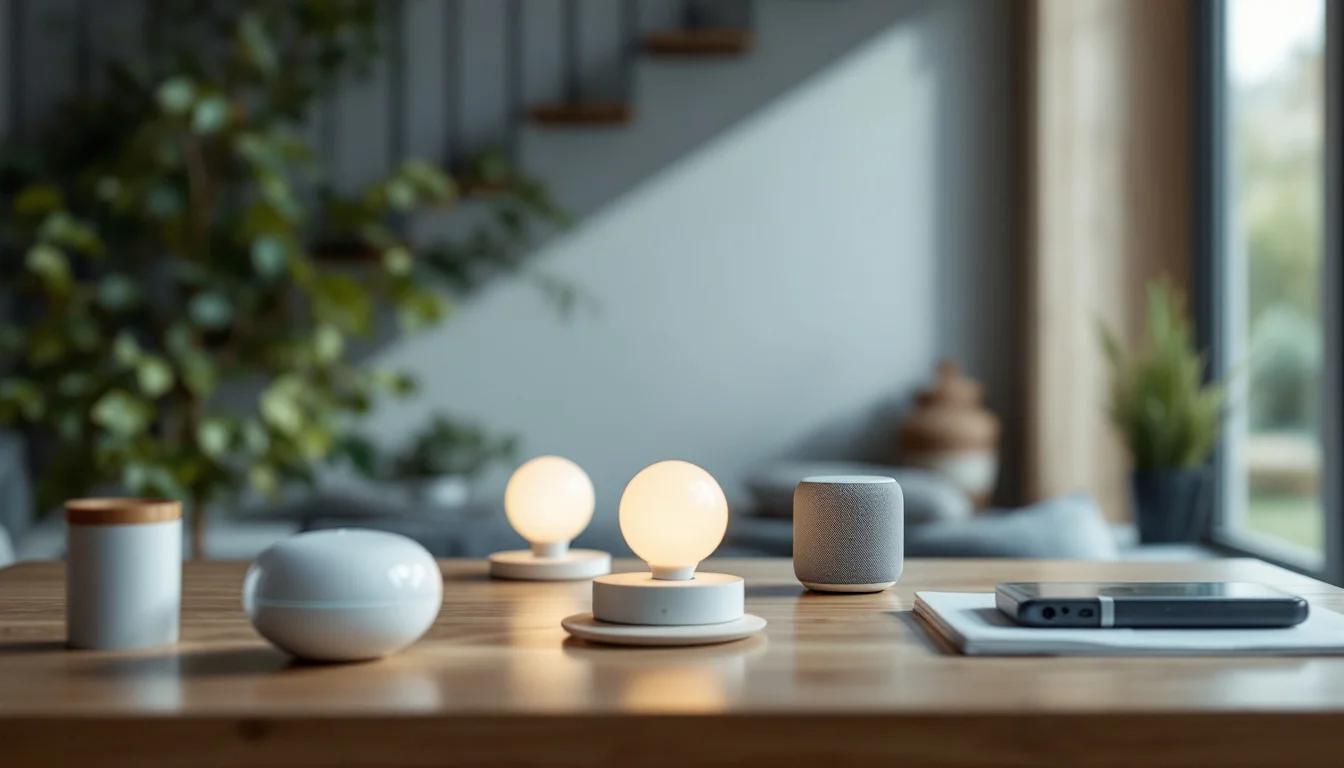
In our increasingly digital world, smart devices have transformed our homes into interactive spaces. For years, home automation was seen as little more than a collection of playful gadgets—allowing us to simply change a lightbulb's color from the couch or ask for the weather out loud. This era of naive smart home technology is officially over. In 2024, faced with inflation, energy challenges, and growing cybersecurity threats, the Belgian smart home requires a total rethink.
Rather than blindly piling up devices, the modern approach is all about designing a pragmatic ecosystem. The goal is no longer just novelty, but maximizing a genuine return on investment. This return is measured in tangible savings on your electricity bill, proactive health management, and precious time saved every day.
However, this quest for optimization comes up against an unavoidable reality: privacy protection. Installing a microphone or camera in your living room demands strict precautions. This guide explores the best solutions on the market for building a smart home that truly serves your interests, while actively locking down your personal data against the risks of digital snooping.
Key Considerations Before Equipping Your Smart Home
To optimize your home without compromising your data, here are the fundamental principles to keep in mind before making a purchase:
- Energy Efficiency First: Initial investments should target devices capable of reducing your electricity consumption.
- Health Under Control: Body analysis and sleep improvement now benefit from cutting-edge innovations, demanding strict privacy settings.
- Pragmatic Automation: Robot vacuums and voice assistants offer genuine time savings, provided they are configured correctly.
- Active Digital Vigilance: The invisible collection of personal data by everyday objects is a reality that must be countered by systematically checking app permissions.
- Local Purchasing: Prioritize recognized retailers in Belgium to ensure compliance with European standards regarding warranties and data processing.
The Smart Home Paradox: What Dangers Has RTBF Highlighted?
Integrating smart devices promises unparalleled comfort, but it simultaneously introduces sophisticated sensors into the most intimate spaces of our daily lives. Before outfitting your home, it is imperative to understand the business model that often underpins low-cost technology.
Data as Currency
While many devices offer intuitive interfaces to interact with your environment, the price tag in the store doesn’t always reflect the true cost. As a recent RTBF report highlighted, certain smart devices (such as lightbulbs, robot vacuums, watches, speakers, and cameras) can collect and share your personal data without your knowledge.
This silent data collection feeds behavioral databases. A robot vacuum maps the layout of your rooms, a smart bulb deduces your presence patterns, and a smart speaker analyzes your voice requests. Once cross-referenced, this information paints a highly accurate picture of your lifestyle.
The Need for Proactive Vigilance
Faced with what could be described as domestic digital espionage, the solution isn’t to reject technology altogether, but rather to adopt a defensive posture. It is crucial to meticulously check the privacy settings of every companion app.
The convenience of using voice assistants like Amazon Echo or Google Home to adjust the lighting or check the weather should never justify unregulated, always-on listening permissions. Modern home automation demands that users take back control of their information by opting out of third-party data sharing and prioritizing secure local networks whenever possible.
How Can IoT Lower Your Energy Bill?
In a climate where energy costs weigh heavily on Belgian household budgets, the Internet of Things (IoT) proves its most immediate financial worth. To take granular management a step further, affordable solutions now offer an instant return on investment.
Smart Power Management
To combat phantom power drain and keep expenses in check, the Antela smart plug serves as a highly useful tool. This type of device generally integrates seamlessly into an existing network, facilitating automated home management.
Hyper-Local Weather Data for the Home
Optimizing heating or ventilation requires reliable environmental data. Coupling this information with smart plugs creates a virtuous cycle. For instance, if a connected weather station detects a drop in outside temperature, a pre-set scenario can preemptively trigger a space heater. This environmental data collection can serve the collective good while maximizing individual comfort.
How Smart Home Tech is Transforming Health Tracking
Smart devices are no longer limited to household management; they are getting up close and personal with our physiology. Vital sign tracking, once strictly the domain of the medical field, is now accessible in our bathrooms and bedrooms. However, these devices generate highly sensitive data that must be rigorously protected.
Precision Body Analysis
The evolution of health accessories is strikingly evident in next-generation bathroom scales. The Active Era smart scale offers 15 distinct metrics, including weight, Body Mass Index (BMI), body fat percentage, and muscle mass. Its dedicated app stands out for its family-friendly flexibility, allowing for an unlimited number of accounts with up to 24 profiles each. Nevertheless, this level of personalization makes it essential to ensure your biometric data remains stored locally or on encrypted European servers.
Innovation for Better Sleep
The bedroom is also benefiting from cutting-edge innovations aimed at solving concrete problems. These targeted technological interventions drastically improve sleep quality, proving that smart devices can offer non-invasive therapeutic solutions far beyond mere entertainment gadgets.
Which Smart Home Classics Are Tailored for the Belgian Market?
Home automation must be grounded in local commercial and logistical realities to be truly relevant. Reading reviews that praise products unavailable in Europe or incompatible with our infrastructure is pointless. In Belgium, outfitting your home smartly means targeting devices distributed by reliable retailers, ensuring quality after-sales service and pricing consistent with our market.
Automated Cleaning: An ROI in Time Saved
Time is our most precious resource. Delegating household chores represents the ultimate convenience. The Lefant robot vacuum is a prime example of such practicality. It features six cleaning modes adapted to different floor types and messes. With a generous 120-minute battery life, it minimizes the need for human intervention. It perfectly illustrates the kind of smart device that fades into the background, letting its service take center stage.
The Local Smart Ecosystem: Surveillance
To orchestrate these automated tasks and secure your home, choosing the right central interface is crucial. Purchasing through an official distribution channel guarantees the protection of your personal data and compliance with European privacy standards.
On the security front, video doorbells offer invaluable peace of mind. This type of device allows you to monitor your doorstep from a smartphone, chat with a delivery driver while you're out, and deter intrusions—effectively combining everyday convenience with perimeter security for your home.
How to Evaluate Smart Devices Without Sacrificing Your Data
Faced with endless options, it’s easy to give in to impulse buying. To avoid turning your home into an uncontrolled sensor network, it’s essential to adopt a strict method of analysis.
The 'Utility vs. Privacy' Matrix is a decision-making tool designed to evaluate whether a smart device is actually worth buying and installing. It cross-references the daily Return on Investment (money or time saved) with the level of personal data exposure.
The Smart Home Decision Matrix
| Device Category | Daily ROI (Benefit) | Privacy Risk | Integration Recommendation |
|---|---|---|---|
| Smart Plugs (e.g., Antela) | High (Lower electricity bills) | Low (Few intimate data points collected) | Top Priority. Use apps with a dedicated account. |
| Weather Stations | Medium (Heating optimization) | Low (Environmental data, not personal) | Excellent Choice. Secure sharing possible without risk of individual identification. |
| Robot Vacuums (e.g., Lefant) | High (Massive time savings) | Medium to High (Home mapping) | Conditional. Disable floor plan sharing within the companion app. |
| Health & Wellness (e.g., Active Era) | High (Precise tracking via body metrics) | Very High (Biometric and weight data) | Extreme Caution. Link only to closed ecosystems and decline third-party cloud sharing. |
| Cameras & Speakers | Medium (Voice convenience, security) | Critical (Continuous mic and video feeds) | Strict Settings Required. As RTBF points out, these devices can spy. Disable cloud storage for recordings. |
This matrix serves as a reminder of a golden rule: if a device presents a high privacy risk without offering substantial daily time or money savings, you should reconsider buying it.
Frequently Asked Questions (FAQ): How to Secure and Optimize Your Connected Life
What is a smart home device?
A smart device (or IoT device, for Internet of Things) is a standard household appliance (like a lightbulb, plug, scale, or thermostat) enhanced with sensors and an internet connection (Wi-Fi or Bluetooth). This allows it to transmit data, be controlled remotely via a smartphone, and interact with other equipment to automate tasks.
How does a smart plug work to reduce energy bills?
A smart plug, like the Antela, sits between your wall outlet and your appliance. It allows you to cut the power supply during off-peak hours or at night, completely eliminating the phantom energy drain of devices left on standby.
What are the privacy risks?
The main danger lies in invisible data collection. As warned by RTBF, certain smart devices (lamps, robot vacuums, watches, speakers, cameras) can collect and share your personal data without you knowing. The risks range from the resale of advertising profiles to unsolicited eavesdropping within your own home.
What guarantees do you get when buying brands in Belgium?
Purchasing through official retailers on the Belgian market (like Krëfel) guarantees that European legislation (GDPR) applies to the processing of your data, in addition to providing a mandatory two-year legal warranty on the hardware.
Conclusion: Adopting Good Digital Hygiene at Home
Integrating smart devices into your home should no longer mean compromising your privacy for the sake of convenience. Today's technologies offer exceptional optimization capabilities—whether it's fine-tuning your power consumption with smart plugs, tracking your physical well-being with precise metrics, or reclaiming precious hours by automating household chores.
However, building a truly smart home in 2024 requires strict digital hygiene. You must remain the master of your infrastructure, not a product in a business model based on data resale. Take the time today to open the apps for your already-installed devices and scrupulously check their privacy settings. Modern convenience is only valuable if it comes with total peace of mind.